

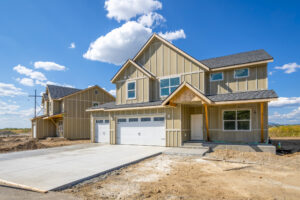
 Investing in single-family rental properties can strengthen a rental portfolio with a modern asset, provided the investor examines cost, demand, and exit options. The premium for a recently completed home can be noticeable, but such properties can offer benefits such as more customization options, improved energy efficiency, and reduced maintenance needs during the first years of ownership. Owners should also plan for added finish costs and potentially limited room to negotiate the contract. Before accepting the builder’s terms, weigh the pros and cons carefully to maximize your return on investment.
Why Consider New Construction for Your Rental Portfolio?
Purchasing new construction as a rental property may provide a cleaner operational start because major systems, fixtures, and finishes are already in place. Investors can launch marketing around a modern property instead of budgeting first for an update cycle. Because the property is delivered as a finished product, out-of-pocket expenses are typically minimal as the home enters the investor’s rental portfolio.
If the property is ready for occupancy, owners can begin the leasing cycle without first bringing dated systems or finishes up to standard. The home can be configured with likely tenants in mind through targeted upgrades and smart home features. When smart features are relevant to tenant demand, smart thermostats and security systems can support a modern lifestyle message while providing practical controls for occupants.
Top Benefits of Energy-Efficient, Smart Homes for Renters
The fact that a property has never been lived in can add perceived value for tenants who prioritize newer housing. Attracting quality tenants is key to rental success. Current windows, insulation, and HVAC systems can work together to support lower utility bills and greater environmental sustainability. Newer energy systems may help control utility use while improving the property’s overall livability.
When a property can be leased quickly and maintained predictably, that can make new construction an appealing choice for rental property investors. New construction carries its own due-diligence needs, particularly around workmanship, materials, and warranty support.
Build defects can shift time and money away from leasing goals when the builder does not address them promptly. The more the investor departs from standard finishes, the more important it becomes to measure the upgrade against achievable rent.
Is New Construction the Right Investment for You in Today’s Market?
For investors who create returns through discounted acquisition, builder inventory may offer a narrower margin at the outset. New construction often comes with standardized pricing that offers fewer opportunities for aggressive negotiation.
Because new-home sales help establish the development’s market position, builders may be cautious about reducing the official price. Negotiation may simply take a different form, so it is wise to inquire about current incentives, closing cost assistance, or upgrades that may be available.
Before purchasing a new home as a rental property, weigh the pros and cons carefully. Focus the analysis on the local rental market, projected tenant demand, while reviewing which features local renters consistently prioritize in comparable homes. When demand, pricing, and operating assumptions all hold up, new construction can deliver strong long-term returns.
Sound investment decisions rely on detailed market context, especially when evaluating a newly constructed rental. For owners pursuing rental opportunities in Panhandle, Real Property Management of the High Plains can help evaluate the market side of the decision. We perform market assessments for all potential rental properties, ensuring owners who partner with us have the tools and information they need to make the best investment decisions. For help reviewing a rental opportunity, contact us online.
This content is provided for general informational and educational purposes only and does not constitute financial, legal, tax, or investment advice. Readers should consult with licensed professionals regarding their specific circumstances.
We are pledged to the letter and spirit of U.S. policy for the achievement of equal housing opportunity throughout the Nation. See Equal Housing Opportunity Statement for more information.
